 JobsPronto
What Are the Hardest Jobs in Hospitality?
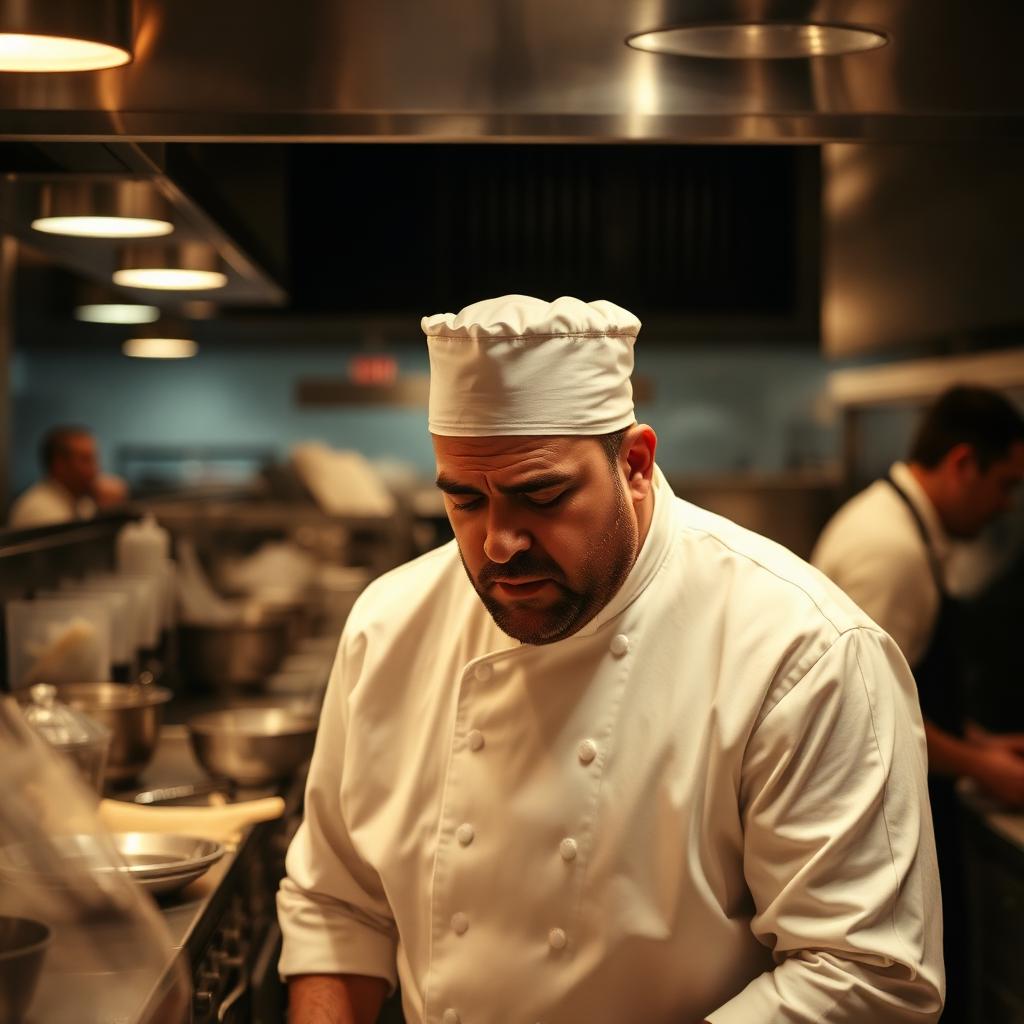
Every hospitality role has its bad nights. The 400-cover Saturday when a section goes down, the wedding where the bride's father decides the wine is corked, the Sunday brunch when the boiler dies at 08:45. But some jobs sit in a different category entirely — sustained physical load, unpredictable hours, direct responsibility for other people's shifts and livelihoods, and no hiding place when service goes wrong. This piece is a candid look at the roles the industry itself quietly agrees are the hardest, why they are hard, what the people who succeed in them look like, and — for anyone considering the path — what the honest trade-offs are between the pain and the payoff.
Head Chef
A head chef owns the menu, the food cost, the kitchen brigade, and every plate that leaves the pass. That sentence undersells it. On any given week a head chef is also the buyer, the trainer, the disciplinarian, the maintenance coordinator, the rota-writer, the recipe developer, the mediator between the kitchen and the floor, and the person the owner calls at 11pm when a review lands badly.
Twelve-hour split shifts are standard. A double at a serious restaurant is 09:00 prep, 12:00–15:00 lunch service, a nominal break that usually gets swallowed by admin, then 17:30–23:00 dinner service and a close. Do that five or six days a week for a year and physical decline is not a metaphor — head chefs in their thirties routinely deal with the joint, back and skin problems of manual workers a decade older.
The mental load is the harder part. Food cost drifts if you look away for a week. A single supplier price rise on butter or beef can move a whole menu into the red. A junior chef with a personal problem can undo the pass for a fortnight. Head chefs describe the job as running the P&L of a small business with the emotional responsibility of managing a group of teenagers away from home for the first time — which is, quite literally, what a lot of kitchen brigades are.
The reason people do it anyway is that a head chef role is the fastest legitimate route to running your own kitchen, your own menu, your own restaurant. Every executive chef, every restaurateur, every consultant chef in the industry did this seat first. It is hard because it is where the real craft is compressed.
General Manager, high-volume venue
Running a 200-cover restaurant or a busy city-centre pub means owning the P&L, the rota, recruitment, licensing, compliance, guest experience, the food-safety audit and — inevitably — the WhatsApp group at 2am when the alarm goes off. GMs of high-volume sites carry the operational weight of a small business without the founder's equity.
The volatility is what makes it hard. A single mid-week 6pm no-show from a sous chef, a duty-manager sickness on a Saturday, or a Sunday roast running out of beef at 13:30 will each blow up a week. GMs do not get to plan their day; the day plans them. The average tenure of a hospitality GM in a first-time role is under 18 months, and burnout — not performance — is the primary reason.
The GMs who last do three things well. They protect their sleep aggressively, which sounds trivial and is not. They build a strong assistant manager and hold that person to the same standard they hold themselves, which is the only way to have a genuine day off. And they run the numbers themselves every Monday morning, so the P&L never surprises them at month end.
Sommelier and Head Bartender
The public-facing calm masks a long tail of stock ordering, supplier tastings, staff training and margin discipline that most guests never see. A serious sommelier is building a wine list against a moving currency, a moving vintage, and a moving guest profile — and defending every listing against a food menu that changes twice a year and a wine cost that ideally stays under 30%.
A head bartender at a good cocktail bar has the same shape of job with faster turnover. The bar programme, the syrup and cordial prep, the staff training on classic and signature specs, the supplier relationships, the compliance around licensing and age verification, the stock loss investigations — all of it sits on one person.
Both roles are judged in real time by guests who have opinions and, increasingly, by social media. A single bad guest interaction that ends up on Instagram can undo six months of careful positioning. The people who thrive in these seats treat the public performance as the easy part; the discipline is in the ninety minutes of prep and the ninety minutes of admin that sandwich it.
Banqueting and Events Chef
Cooking 400 covers to a fixed timing window with variable dietary requirements is a specific kind of hard that à la carte chefs often underestimate. The prep is longer than the service — a weekend wedding can involve three days of prep and a two-hour service window that has to hit within a five-minute margin because the speeches are timed and the venue is booked.
The dietary complexity has multiplied over the last five years. A modern wedding menu will typically have 40 or more special dietaries across allergens, religious requirements, vegan and vegetarian variants — each of which has to be plated separately, labelled clearly, and delivered to the right seat. One mistake with a nut allergy is not a bad review; it is an ambulance.
The people who run banqueting kitchens well are, without exception, obsessively organised. Every service is a project plan. Every plate leaves the pass with a printed ticket. Nothing is remembered — everything is written down.
Housekeeping Supervisor (large hotel)
The role the industry most consistently under-appreciates is housekeeping supervision in a 200+ room hotel. A supervisor is responsible for the physical condition of every guest room by the 15:00 check-in deadline, working with a team of room attendants who are almost always paid at or near the statutory minimum, are frequently agency, and often have limited English.
The job is physical, repetitive, invisible and unforgiving. A single missed stain, a missed hair on a pillow, a missed empty shampoo bottle, becomes a guest complaint that lands directly on the supervisor's head. The good ones combine genuine warmth with a checklist discipline that borders on military — and they are the reason a hotel has a reputation, even though the guest never meets them.
What the hardest roles have in common
Three things. First, personal responsibility for outcomes that depend on other people showing up and performing. Second, a service window that cannot slip — the guests are arriving whether you are ready or not. Third, a compensation structure that only partially reflects the load, at least until you reach the senior end of each specialism.
That third point is the one worth pushing on. The hardest roles are also the ones with the fastest career progression and the highest ceilings. If you can hold a head chef seat at a serious restaurant for two years, an executive chef role at a group opens up. If you can run a high-volume GM seat for two years without burning out, a multi-site or ops director role becomes reachable. Hospitality does not reward comfort, but it does reward endurance in the seats that matter.
Should you take one of these jobs?
The honest answer is: only if you have thought seriously about what you are trading for it. The hardest roles cost you evenings, weekends, holidays, physical health and — if you are not careful — relationships. In return they give you a level of craft, autonomy and career optionality that few other industries can match at that speed.
The people who regret taking these roles almost universally say the same thing: they took the title before they had the systems. If you are stepping into one of these seats, the single best thing you can do in your first ninety days is build the operational rhythm — the rota discipline, the stock discipline, the review discipline, the delegation discipline — that lets you do the job without the job doing you.
The hardest jobs in hospitality are the ones with the highest ceilings. They are also the ones most likely to end a career early if you take them without the systems and support to hold them. Pick them deliberately, build the operational spine in the first ninety days, and treat them as a two-to-three year investment in the next decade of your career — that is how the people at the top of this industry got there.
Related articles
Hand-picked pieces from the JobsPronto blog to go deeper on career advice and adjacent topics.

The 10 Highest-Paying Hospitality Jobs in the UK
Ranked: the top 10 hospitality jobs in the UK by salary, plus what it takes to land them.
Read article →
Skills Needed for Hospitality: 10 Essentials to Succeed in the Industry
The 10 essential skills every hospitality professional needs to thrive — from soft skills to service standards.
Read article →
What Jobs Are Included in Hospitality? Exploring Top Jobs in Hospitality
An overview of the most common — and most rewarding — roles across the UK hospitality industry.
Read article →More from the JobsPronto blog
- ›The Impact of Minimum Wage on Young Workers in the UK (2025 Update)Industry News
- ›Employment Tribunal Backlog Grows Amid UK Workers' Rights ReformIndustry News
- ›Which Country Pays the Best in Hospitality? A Global Salary ComparisonInsights
- ›How Hospitality Training in London Can Propel Your Career ForwardTraining
- ›Top 10 Hospitality Training Programs in London for Aspiring ProfessionalsTraining
- ›New Zero-Hour Contract Rules for Agency Workers: What Employers Need to KnowEmployer Tips