 JobsPronto
Skills Needed for Hospitality: 10 Essentials to Succeed in the Industry

The best hospitality CVs list qualifications. The best hospitality careers are built on ten specific skills that no course actually teaches — you pick them up on a busy Saturday night or you don't. This is the honest breakdown: what each skill actually looks like on shift, why hiring managers care about it, how to demonstrate it in a trial, and how to build it faster than the person next to you. Read this before your next application and it will change how you present yourself; read it before your next shift and it will change how you work.
Why skills matter more than qualifications in hospitality
In most professional industries, the qualification is the door. In hospitality, the qualification is a footnote — the trial shift is the door. A brilliant CV with WSET Level 3, a Cordon Bleu diploma and five years at named venues will still lose the job to a candidate who arrives on trial and demonstrates the ten skills below in the first two hours.
That does not mean qualifications are worthless. They shorten the interview, they signal commitment, and for specialist roles (sommelier, pastry, revenue management) they are effectively a prerequisite. But they are the ticket to the trial, not the trial itself.
The ten skills that separate good from great
These are the skills hiring managers actually look for in a trial shift. Titles and training help you get the interview; these get you the second week. Each one compounds — a candidate who is strong on three of them is competent, one who is strong on seven is exceptional, one who is strong on all ten is running their own venue inside five years.
- Composure under pressure — the ability to keep pace and tone when the room is against you and the pass is behind
- Genuine communication — clear, short, respectful — with guests, kitchen, floor and management, in that order
- Sharp attention to detail — allergens, table numbers, glassware, garnish, spelling on a specials board
- Real teamwork — covering a colleague's section without being asked and without keeping score
- Time and section management — knowing what has to happen in the next fifteen minutes, and what can wait an hour
- Product knowledge — menu, wine list, cocktail spec, provenance, dietary variants, allergens, upsells
- Genuine problem solving — a complaint handled well is worth more than one that never happened
- Physical stamina — 10-hour shifts, on your feet, at pace, without visible fade in service
- Adaptability — every service is different, every guest is different, every rota change requires a new plan
- Leadership — even as a junior, owning your section end-to-end without needing to be chased
What each skill looks like in practice
Composure under pressure is the most valuable and the most misunderstood. It does not mean being calm — it means being visibly steady when the person next to you is not. On a bad service, guests read the room from the staff; if the staff look panicked, the guests feel it in ninety seconds. The skill is trained, not innate: you build it by working services that are one level busier than your comfort zone, deliberately, for months.
Genuine communication in hospitality is short. Long sentences are a red flag. A brilliant chef, a brilliant GM, a brilliant bartender all speak in three-to-five word instructions on shift: table twelve now, two mains away, six cover walk-in. The skill to build is compression — say the thing that matters, once, clearly, and move.
Attention to detail is the skill that separates the £11-an-hour server from the £16-an-hour section head. It is table numbers written correctly on tickets. It is checking the allergen sheet before you send the order. It is spotting that a glass has a lipstick mark before it goes to the pass. It is the compounding of a hundred tiny decisions per shift, and it is what guests actually remember — they will not remember the perfect steak, but they will remember the smudged glass.
Product knowledge is where junior staff most often plateau, and it is the single fastest promotion lever available. A commis waiter who can genuinely describe every wine on the by-the-glass list, every cocktail on the menu, and every dish including provenance and allergens is not a commis waiter for long. Learn a section a week and inside three months you are the best-informed junior on the floor.
The skills nobody teaches you and everybody expects
Teamwork in hospitality is not the corporate cliché. It is the specific, unglamorous act of clearing someone else's plates on your way past, running someone else's drinks when their hands are full, covering the door for two minutes while the host uses the loo. Nobody thanks you for it in the moment; managers see all of it, and it is the single biggest factor in whether you get offered more hours.
Time and section management is a planning skill that senior staff assume juniors do not have. Demonstrate it in your first week and you will be moved onto bigger sections inside a month. The trick is to think in fifteen-minute blocks: what needs to be at table X in the next fifteen minutes, what needs to be prepared for table Y in the fifteen minutes after that, what is likely to walk through the door in the fifteen minutes after that. Managers can see the difference between a section owner and a section reactor within two shifts.
How to build these skills faster than the person next to you
Three practices, done consistently, compound faster than any course. First, ask to be moved sections regularly — the more physical layouts and menu structures you work with, the faster your section-management skill develops. Second, work at least one shift a month in a venue busier than your comfort level — a stagiaire shift, a covering shift for a friend, a pop-up — because a real growth spurt in composure only happens under real pressure. Third, take feedback from senior staff literally, immediately and without argument — the fastest-progressing juniors in every kitchen and every floor team are the ones with no ego about corrections.
Add one deliberate practice a week. Learn one new wine, one new cocktail spec, one new dish's ingredients and provenance. In a year that is fifty new pieces of product knowledge, which is more than most senior staff carry.
- Ask to be moved sections every 4–6 weeks in your first year
- Do one stretch shift a month at a venue you would not normally work
- Take every piece of senior-staff feedback and act on it inside the same shift
- Learn one new wine, cocktail or dish spec every week and quiz yourself weekly
- Read the room at the start of every shift — energy, staffing, bookings — and adjust your plan accordingly
How to demonstrate these skills in a trial shift
Trials are pattern-matching exercises. Managers are not looking for perfect service; they are looking for evidence of the ten skills above under mild pressure. Arrive fifteen minutes early in clean uniform. Introduce yourself to the kitchen as well as the floor. Ask three questions in the first ten minutes — about the menu, the section, and the service style. Then work at pace, own your section, cover a colleague without being asked at least once, and — before you leave — thank the manager and ask for direct feedback.
That behaviour, more than any qualification on your CV, is what gets the offer letter. The industry hires for evidence of the skills above, not for the claim of them.
Nobody is born with these ten skills. They are built shift by shift, section by section, service by service. Which is why hospitality rewards people who take the job seriously from day one — and why the gap between the median hospitality worker and the excellent one is genuinely enormous by year three. Pick two skills a month to work on deliberately, and inside a year you will be unrecognisable from the person who started the process.
Related articles
Hand-picked pieces from the JobsPronto blog to go deeper on career advice and adjacent topics.
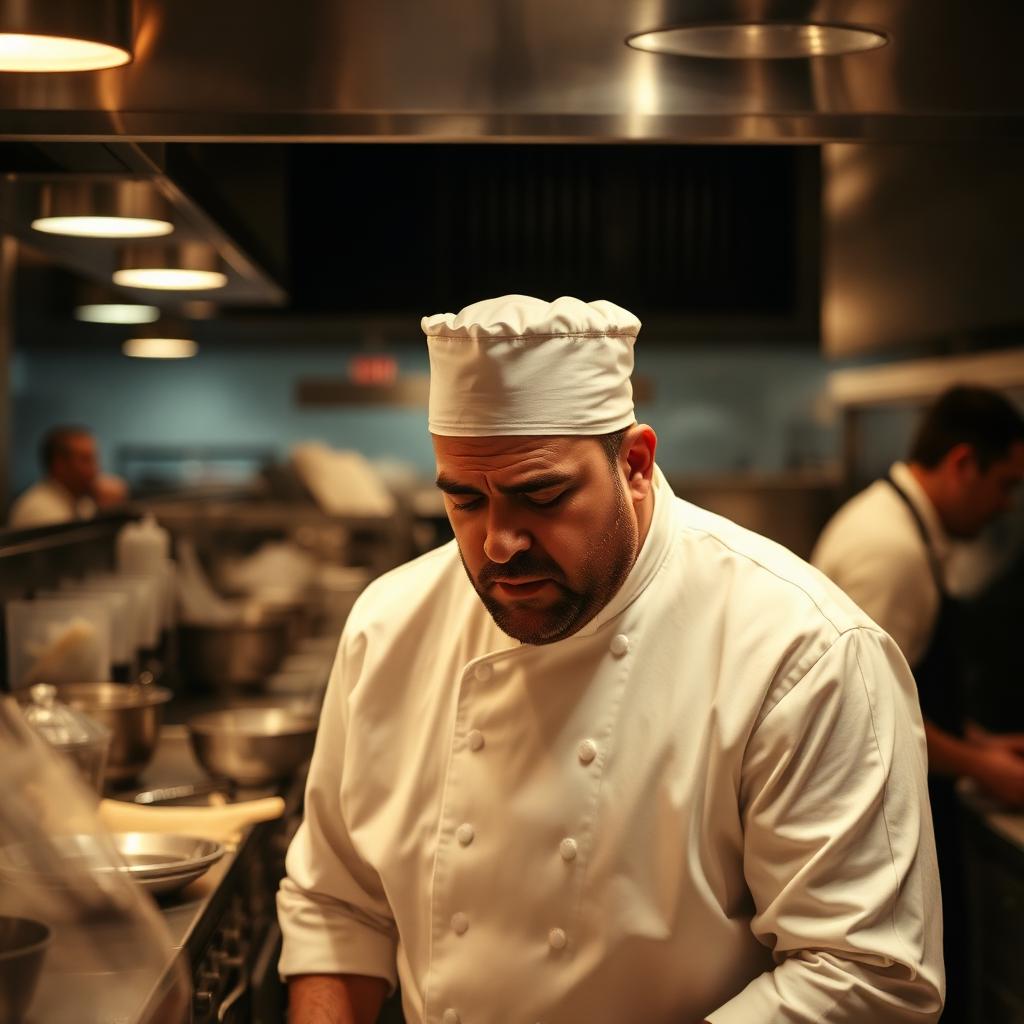
What Are the Hardest Jobs in Hospitality?
A look at the toughest roles in hospitality — from kitchen leadership to high-volume front of house.
Read article →
The 10 Highest-Paying Hospitality Jobs in the UK
Ranked: the top 10 hospitality jobs in the UK by salary, plus what it takes to land them.
Read article →
What Jobs Are Included in Hospitality? Exploring Top Jobs in Hospitality
An overview of the most common — and most rewarding — roles across the UK hospitality industry.
Read article →More from the JobsPronto blog
- ›The Impact of Minimum Wage on Young Workers in the UK (2025 Update)Industry News
- ›Employment Tribunal Backlog Grows Amid UK Workers' Rights ReformIndustry News
- ›Which Country Pays the Best in Hospitality? A Global Salary ComparisonInsights
- ›How Hospitality Training in London Can Propel Your Career ForwardTraining
- ›Top 10 Hospitality Training Programs in London for Aspiring ProfessionalsTraining
- ›New Zero-Hour Contract Rules for Agency Workers: What Employers Need to KnowEmployer Tips